

ketteCrew Spotlight: Embracing the Next Era of Planning with Ken Wardlaw


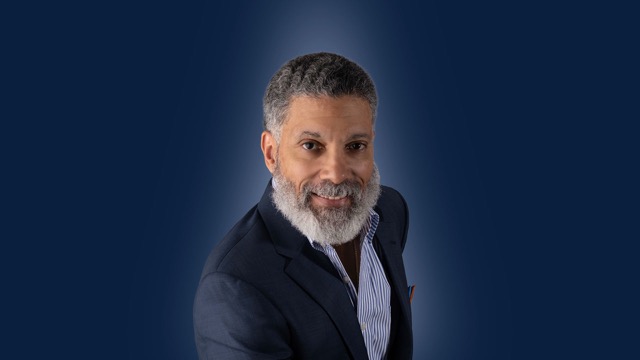
Supply chain technology has changed dramatically over the past several decades, but the fundamental challenge has remained remarkably consistent: how do you turn better information into better decisions and, ultimately, better business outcomes?
Few people have had a closer view of that evolution than Ken Wardlaw, Sr. Director of Services at ketteQ. Ken’s career began on the shop floor, working with early process control and rule-based expert systems, and has since spanned decades of supply chain technology, consulting, implementation, and customer enablement.
Today at ketteQ, Ken works across sales, delivery, enablement, and knowledge management, helping connect teams and turn ideas into practical outcomes for customers.
For the latest edition of our ketteCrew Spotlight series, I sat down with Ken to discuss what has kept him fascinated by supply chain technology, why modernization requires more than new software, what feels different about today’s AI-driven transformation, and what excites him about the future of ketteQ.
Here is our conversation:
Q: Tell us a little about your role as Sr. Director of Services at ketteQ. What does a typical week look like for you?
I sit at the intersection of sales, delivery, enablement, and knowledge management. At any given time, I may be supporting presales, helping with delivery, managing a project, or making sure people have access to the knowledge and resources they need.
That variety is one of the most rewarding parts of my role. Much of what I do is about enabling other people to be successful.
Q: You’ve spent much of your career working in supply chain technology. What originally drew you to the industry, and what has kept you in it?
I started as an electrical technician in the R&D organization of a consumer goods company, working with shop-floor control systems. Eventually, I moved from wiring equipment to programming systems that collected information and generated insights.
What really hooked me was my exposure to expert systems and decision-support tools. Those early systems were rule-based, but you can draw a line from them to today’s technology that can learn, adapt, and make recommendations.
What has kept me in supply chain is the opportunity to use that evolving technology to connect operational decisions to business outcomes.

Q: After spending years with other supply chain technology organizations, what ultimately attracted you to ketteQ in 2024?
I had actually started what I thought was going to become retirement. It did not take long before I realized I missed getting my hands dirty and working on things that could make an impact for colleagues and customers.
What attracted me to ketteQ was the opportunity to solve problems in ways they had not been solved before. What we now call Free-Range AI™ was still emerging, but you could see the thinking taking shape.
It reminded me of my earliest days in R&D: exploring what technology could make possible and building something new.
Q: You previously worked with Mike Landry at Barkawi Group. What was it like reconnecting professionally at ketteQ?
One of the things I recognized when I first worked with Mike was his ability to uplift the people around him. He brings deep technology knowledge and leadership experience, but he also creates an environment where people can grow.
When I came to ketteQ, I saw that same spirit. What grabbed my attention was the opportunity to work on technology built specifically to solve these problems in new ways. It is one thing to work on something everyone else is doing. It is another to work on something that has not been done before.
Q: What is one misconception companies often have about modernizing their supply chain planning capabilities?
Many companies still think modernization is primarily a technology-selection problem.
Technology is important, but what holds organizations back is often organizational or data maturity. Companies need to understand their environment, processes, people, and data before simply selecting a tool.
If you skip that assessment and jump straight to technology selection, you risk automating broken processes.
Q: When evaluating new planning technology, what questions should supply chain leaders be asking that they often overlook?
One of the biggest is the true total cost of ownership.
That goes beyond licenses and implementation. Leaders need to consider data readiness, change management, organizational preparation, and what it will take for people to actually adopt the technology.
The question should not simply be, “What does this software cost?” It should be, “What will it take for our organization to successfully use it?”
Q: What advice would you give a supply chain leader who knows their current planning environment needs to change but is hesitant to make the leap?
There is a cost of making a change, but there is also a cost of inaction.
Understand what is creating hesitation. Is it data readiness, organizational change, or implementation risk? Once you understand those concerns, you can address them directly.
My advice is to look for partnerships, not simply software vendors. The right partners can help you understand what you are signing up for, prepare your organization, and reduce the perceived risk of moving forward.
Q: You’ve had a front-row seat to the evolution of supply chain planning technology. What feels fundamentally different about where the industry is headed now?
Disruption.
We used to talk about disruption primarily as something happening to the supply chain. Now technology itself is disrupting how planning is done.
We are building systems that can identify disruption earlier, understand its implications, and help decision-makers determine what to do next.
It is not always about an off-the-shelf product. It is about orchestration across technology, people, processes, and strategy. That feels fundamentally different from even a few years ago.

Q: What excites you most about the potential of Quintus™ and Free-Range AI™?
The pace of innovation is remarkable. Even a year ago, some of the capabilities we are talking about today were not part of the conversation.
What excites me about Free-Range AI™ is giving teams and systems room to move quickly and adaptively without losing control or accountability.
For years, we talked about a future where technology could help orchestrate the supply chain in ways that felt aspirational. Now, we are beginning to see that future become real.
Q: What’s something your ketteQ colleagues might be surprised to learn about you?
I am a published author.
My book, Shadows at West Point, is historical fiction grounded heavily in real events. It explores the story of Buffalo Soldiers assigned to West Point in the early 1900s and the challenges they faced while delivering a remarkable level of excellence.
Writing gives me an opportunity to explore history and storytelling in a completely different way from my professional work.
Q: When you’re not talking supply chain, how do you like to spend your time?
A lot of my time goes toward home improvement projects. We have lived in the same house for more than 20 years, so there is always something to work on. I have even found ways to use AI to help plan some of those projects.
I have also always enjoyed photography, although with what smartphones can do today, I am probably more likely to buy a new phone than another camera.
Q: What excites you the most about ketteQ?
What excites me is that it feels both new and familiar.
I still feel the same high-conviction energy I experienced earlier in my career, but now it is being aimed at an entirely new category of planning technology and a new generation of problems.
We are solving problems today that we may not even have anticipated a few months ago. Being part of that feels a little like a moonshot. You are working toward something that has not been done before, and that is incredibly exciting.
Réflexions finales
Ken’s career offers a unique perspective on just how far supply chain technology has come. From early rule-based expert systems to AI that can help organizations respond more dynamically to disruption, the technology has changed dramatically. The goal, however, remains the same: helping people make better decisions that lead to better business outcomes.
His perspective also highlights an important lesson for companies pursuing modernization. Transformation does not begin with selecting technology. It begins with understanding the problems that need to be solved, preparing people and data for change, and finding partners who can turn new capabilities into measurable value.
For Ken, this moment represents another opportunity to do what has kept him engaged throughout his career: explore what new technology makes possible and help solve problems in ways they have not been solved before.
Curious about the people behind ketteQ? Visit our About Page to learn more about our mission, core values, and the ketteCrew shaping the future of supply chain.
A propos de l'auteur
Articles connexes

ketteQ Named a 2026 Pacesetter Among Atlanta's Fastest-Growing Private Companies
ketteQ Named a 2026 Pacesetter Among Atlanta's Fastest-Growing Private Companies